
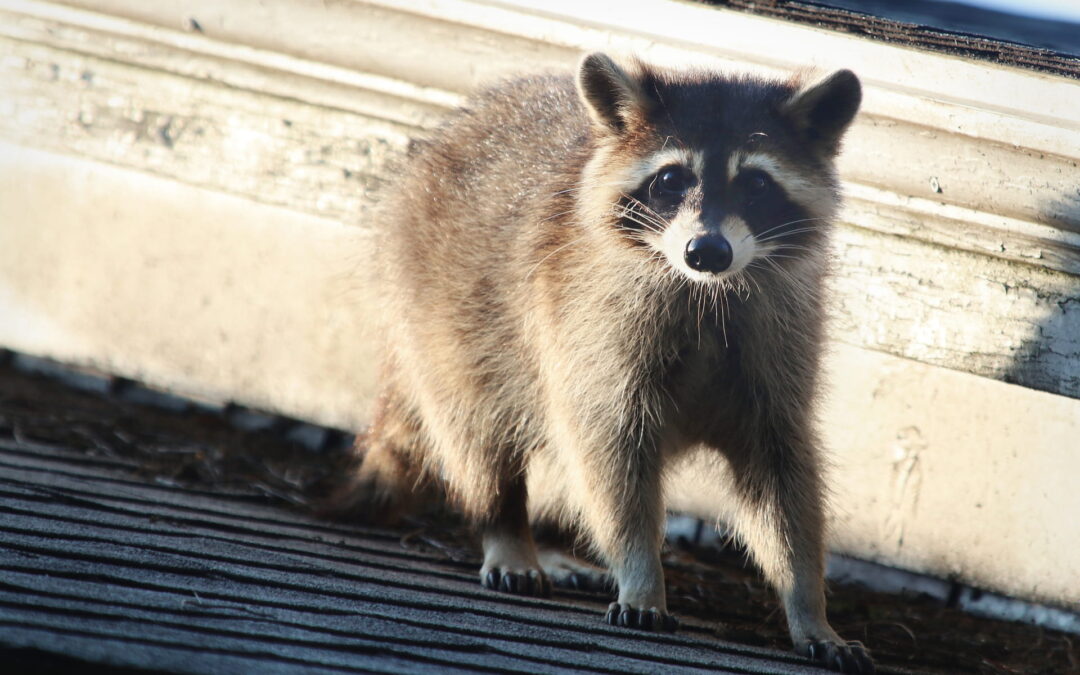
Homeowners and business owners often grapple with recurring wildlife issues that seem to return no matter how many traps or sealants they try. Recurring wildlife problems can wear down even the most patient property owner. Noisy attics, damaged insulation, and sudden foul smells are often signs the same animals have found a way back inside. These issues rarely stay solved with surface-level fixes. Animal control professionals apply structured methods to stop the cycle and keep nuisance wildlife from reclaiming the territory. Slidell Animal Control says, “Brief fixes often fail—long‑term solutions matter, so sealing, sanitizing and monitoring is key.”
1. Wildlife Exclusion Techniques
Sealing entry points demands care and precision. Animal control professionals inspect every vent, eave, and crack before tampering with it. Slidell Animal Control uses galvanized mesh and heavy‑gauge flashing to ensure reinforcements last. Small aperture gaps under one inch are often the routes rodents squeeze through. Full inspection lowers risk.
- Sealing roof vents with welded wire mesh reduces attic entries by over 90 %.
- Inspection covers chimneys, soffits, siding joints for hidden access points.
- CDC notes rodent exclusion cuts disease transmission indoors noticeably.
2. One Way Exit Devices for Wildlife
Devices installed over openings let critters leave but block re‑entry. Bats and raccoons commonly use these during eviction periods. These devices avoid trapping animals inside structures. Slidell Animal Control fits cages or funnel‑shaped flaps tailored to species. Humane removal ensures no young are abandoned.
- Excluded animals depart within 24–48 hours, as monitored by technicians.
- Devices are removed once exit is complete, preventing new invaders.
- State guidelines (e.g., wildlife rehabilitation regs) permit these under certain seasons.
3. Habitat Modification Services
Removing attractants around properties helps deter wildlife from returning. Trimming dense shrubs, securing trash bins and eliminating pet food outdoors all reduce appeal. Slidell Animal Control advises clients on landscaping changes that make properties less welcoming. Continuous maintenance preserves the effect.
- USDA research shows habitat alteration reduces livestock predation up to 70 % on farms.
- Eliminating standing water deprives rodents and insects of hydration sources.
- Securing compost and pet food removes daily feeding cues for nocturnal animals.
4. Scent and Sound Deterrents
Predator odors and ultrasonic sounds disrupt wildlife patterns. Professionals calibrate deterrents to human‑inaudible frequencies so people aren’t bothered. Slidell Animal Control uses pheromone masking sprays and motion‑activated strobe lights. Pairing scent and sound yields layered defense without chemicals.
- EPA documents confirm predator scent use can reduce rodent activity by up to 60 %.
- Sound deterrents optimized to target species frequencies limit habituation.
- Rotation of deterrents prevents wildlife from adapting and returning slowly over time.
5. Ongoing Wildlife Monitoring Plans
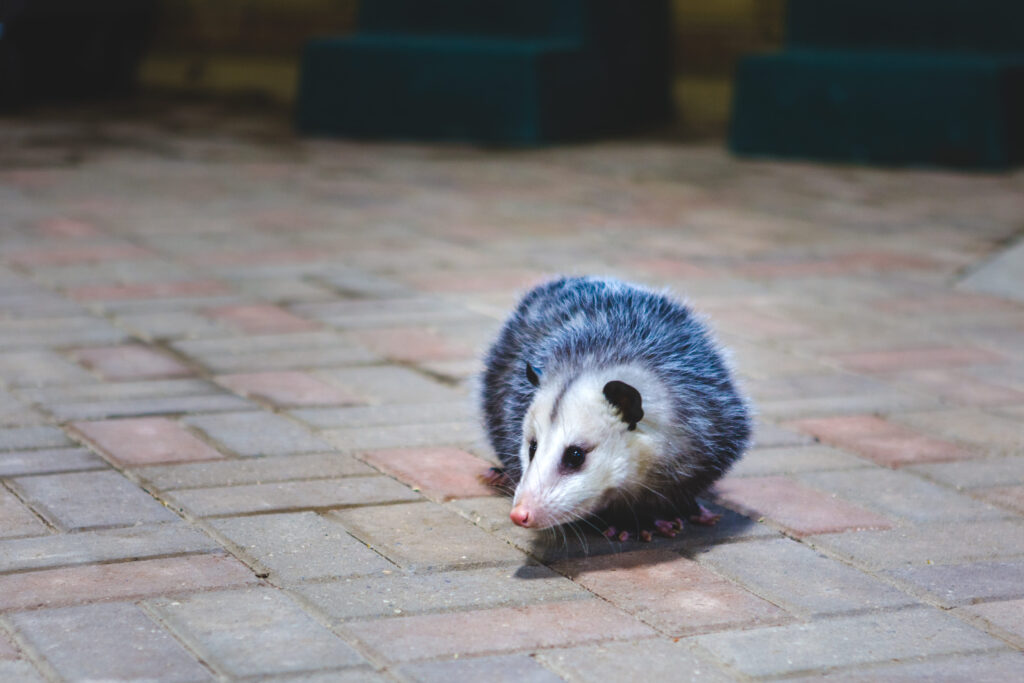
Trail cameras and periodic visits catch early signs of return before damage escalates. Field teams revisit sites seasonally to inspect weak points. Slidell Animal Control’s monitoring includes motion‑triggered video and infrared sensors in vulnerable zones. Early alerts allow quick intervention.
- USDA-APHIS reports non‑lethal monitoring enhances program success in agricultural settings.
- Cameras placed near vents and rooflines detect re‑entry attempts overnight.
- Remote sensors can flag new movement within minutes, reducing response times.
6. Sealing and Sanitizing Nest Sites
Cleaning nesting zones removes pheromone trails and disease risk. Even sealed areas can attract newcomers if scent remains. Slidell Animal Control teams disinfect attics, crawlspaces, and vents using EPA-registered enzyme cleaners. Thorough cleaning cuts infestation return rates significantly.
- CDC notes many pathogens linger in droppings and nesting debris if not fully removed.
- Pheromone masking helps prevent other animals from identifying old nest sites.
- Proper ventilation after sanitization speeds recovery of indoor air quality.
7. Education on Wildlife Prevention
Teaching clients about risk reduction empowers long‑term prevention. Guidance on seasonal yard care, structural inspections, and safe storage minimizes temptation. Slidell Animal Control distributes tailored checklists for clients to follow quarterly. Knowledge shifts the homeowner’s role from reactive to proactive.
- EPA-backed resources recommend routine home audits to catch new weak spots seasonally.
- Homeowner engagement boosts exclusion method success rates by up to 50 % long term.
- Behavioral changes, such as nightly trash locking, reinforce physical defenses.
Recap on Preventing Wildlife Returns
The seven methods form a unified system to not only evict wildlife but to stop re‑entry altogether. Exclusion bars entry, exit devices remove occupants, habitat changes reduce incentives, deterrents disrupt returns, monitoring catches new activity early, sanitizing removes residual attraction, and education empowers ongoing vigilance. Each step builds on the last, creating a barrier that’s structural, behavioral, and environmental. Application of these might feel extensive at first glance. Slidell Animal Control’s field history shows clients experience far fewer follow‑up visits once all measures are in place. Coordination between physical repairs, ongoing surveillance and homeowner habits cements holistic protection and reduces costs over time.
Key Takeaways for 7 Methods Animal Control Uses to Prevent Wildlife from Returning
- Sealing all openings with durable materials forms a first line of defense.
- One‑way exit devices ensure humane removal without re‑entry risks.
- Site cleanup and attractant removal discourage wildlife from coming back.
- Scent and sound tools add non‑invasive, flexible deterrents.
- Regular monitoring catches reinfestation signatures early.
- Proper cleaning of nest sites cuts lingering attraction cues.
- Homeowner education closes the loop—people stay alert and informed.
Frequently Asked Questions
- Can sealing cracks alone stop animals from returning?
Sealing helps a lot, but pairing it with cleaning and monitoring ensures critters don’t find new entry or old scent markers. - Are ultrasonic deterrents effective long term?
They work best when rotated with scent methods to prevent animals becoming accustomed over time. - How often should exclusion points be inspected?
Quarterly checks or after storms help catch emerging issues before reinfestation begins. - Does cleaning nests really matter if entry is sealed?
Yes—scent lingers and can draw new wildlife unless it’s fully removed or masked. - What role do homeowners play after control work?
Their upkeep of trash storage, vegetation, and home repairs keeps wildlife at bay for the long haul.

Angela Knight is a seasoned journalist with a deep-rooted passion for covering the vibrant local business scene in Slidell, LA. Her expertise lies in spotlighting the unique stories of local entrepreneurs and keeping her finger on the pulse of the latest business news and trends within the community. With a keen eye for detail and a commitment to impactful storytelling, Angela’s articles serve as a vital resource for residents and business owners alike, offering insights, updates, and inspiration. Her work not only informs but also celebrates the entrepreneurial spirit and community engagement that define Slidell’s business landscape.