
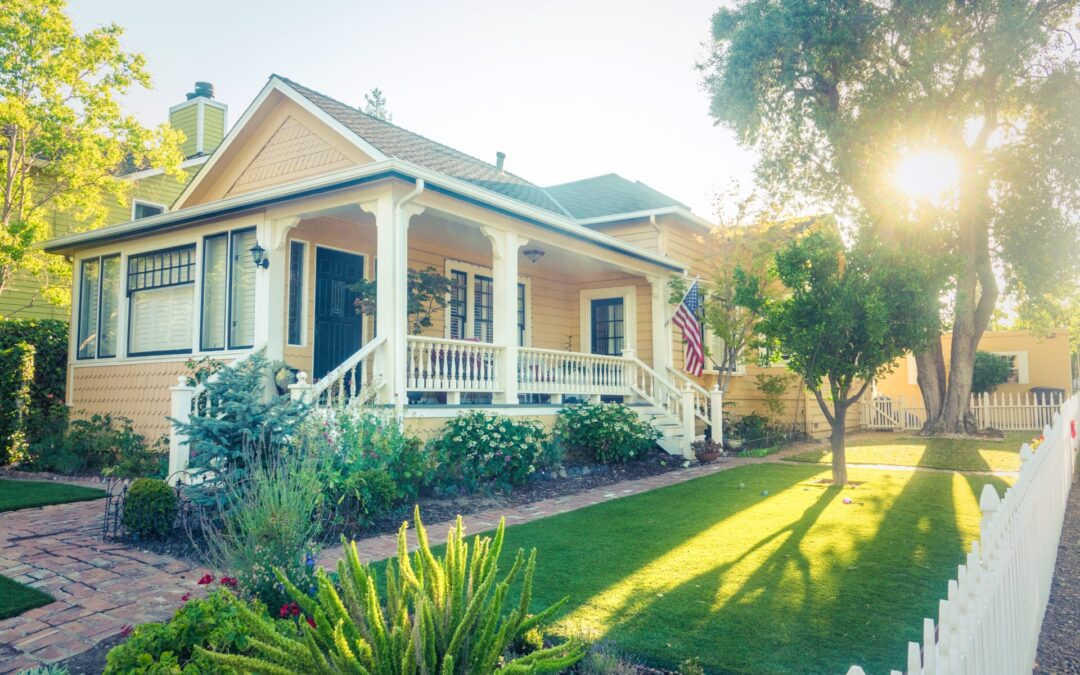
Older homes carry personality and long-standing craftsmanship, yet insurance standards treat them differently for clear reasons tied to risk and repair costs. A close variation of the main keyword fits naturally because older homes face different insurance requirements in Louisiana due to construction age, system wear, and storm exposure. Coverage decisions often hinge on how these homes perform under modern risk models and how complicated repairs become after damage. Insight from Dragon Insurance Agency, handling homeowners insurance in Slidell, explains that “insurance for older homes depends heavily on documented updates, because insurers need reassurance that critical systems can withstand current conditions.”
Different Insurance Rules for Older Homes
Experience across Louisiana neighborhoods shows that age alone can change how a home is evaluated for coverage. A well-maintained older house may still trigger extra review because insurers assess long-term durability rather than appearance. Risk models rely on probability. Time alters outcomes.
- Construction standards shift across decades
- Maintenance records influence underwriting confidence
- Age-related wear increases claim likelihood
1. Outdated Building Codes
Older homes were constructed before updated building codes reshaped safety expectations. Louisiana strengthened structural and wind-related standards after repeated storm losses documented by FEMA and state emergency agencies. Insurers compare original framing and anchoring against modern benchmarks. Discrepancies raise red flags.
- Pre-code framing lacks tested wind resistance
- Older anchoring methods loosen over time
- Code-aligned upgrades reduce insurer concern
2. Aging Roofing Materials
Roof condition ranks among the first items insurers review for older homes. Research from the Insurance Institute for Business & Home Safety shows roof failure as a leading driver of hurricane-related claims. Older shingles, decking, and fasteners deteriorate unevenly. Weak spots spread quickly.
- Older roofs lift easier under strong gusts
- Expired warranties remove manufacturer backing
- Roof age often affects deductible structure
3. Electrical System Risks
Electrical systems installed decades ago often fall short of modern fire safety standards. Data from the National Fire Protection Association links outdated wiring to higher residential fire risk. Knob-and-tube and aluminum wiring remain common in older homes. Insurers react cautiously.
- Older wiring lacks modern grounding protection
- Overloaded circuits raise ignition risk
- System upgrades improve insurability
4. Plumbing Infrastructure Concerns
Plumbing hidden behind walls ages quietly until failure occurs. Federal housing data shows aging pipes contribute significantly to water damage claims across coastal and southern regions. Galvanized steel and early copper corrode over time. Leaks follow gradually.
- Pipe corrosion increases rupture potential
- Slow leaks trigger mold-related losses
- Updated plumbing lowers claim severity

5. Hurricane Resistance Limitations
Homes built before modern mitigation standards were never engineered for today’s hurricane intensity. NOAA storm records confirm increasing storm strength and frequency affecting Louisiana. Insurers adjust requirements accordingly. Structural resistance carries weight.
- Older windows fail under pressure changes
- Unreinforced doors worsen internal stress
- Verified mitigation features earn credits
6. Replacement Cost Challenges
Rebuilding an older home often costs more than replacing a newer structure. National construction cost indexes show that historic materials, custom dimensions, and skilled labor raise rebuild expenses. Insurers must reflect these realities in coverage limits. Valuation grows complex.
- Nonstandard materials raise repair costs
- Specialized labor affects timelines
- Accurate replacement estimates protect coverage
7. Inspection Documentation Requirements
Inspections play a central role when insurers evaluate older homes. Reports from licensed professionals confirm system condition and recent improvements. Clear documentation reduces uncertainty. Approval becomes more predictable.
- Four-point inspections review major systems
- Wind mitigation reports influence premiums
- Organized records support renewals
How Insurance Requirements Affect Older Homes in Louisiana
Insurance requirements for older homes reflect risk exposure, repair complexity, and resilience to severe weather. Building codes, system age, hurricane performance, and replacement costs shape underwriting decisions together. Homeowners who understand these factors can plan updates strategically and protect long-term coverage stability. Experienced guidance helps translate inspections into workable protection.

Key Takeaways on Insurance Requirements for Older Homes in Louisiana
- Older homes receive stricter review due to construction age
- Roof, electrical, and plumbing updates reduce risk concerns
- Storm resistance strongly influences coverage terms
- Replacement cost calculations affect policy limits
- Documentation supports smoother approval and renewal
Frequently Asked Questions
Why do older homes face stricter insurance review?
Age introduces uncertainty around materials, maintenance history, and storm durability.
Do renovations help with insurance approval?
Documented updates to key systems often improve eligibility and pricing.
Are inspections common for older homes?
Many insurers request inspections to confirm system condition and reduce unknowns.
Does age always increase insurance cost?
Pricing varies, though replacement complexity and storm exposure often affect premiums.
Can wind mitigation reduce insurance restrictions?
Verified mitigation features frequently lead to credits and broader coverage options.

Angela Knight is a seasoned journalist with a deep-rooted passion for covering the vibrant local business scene in Slidell, LA. Her expertise lies in spotlighting the unique stories of local entrepreneurs and keeping her finger on the pulse of the latest business news and trends within the community. With a keen eye for detail and a commitment to impactful storytelling, Angela’s articles serve as a vital resource for residents and business owners alike, offering insights, updates, and inspiration. Her work not only informs but also celebrates the entrepreneurial spirit and community engagement that define Slidell’s business landscape.