
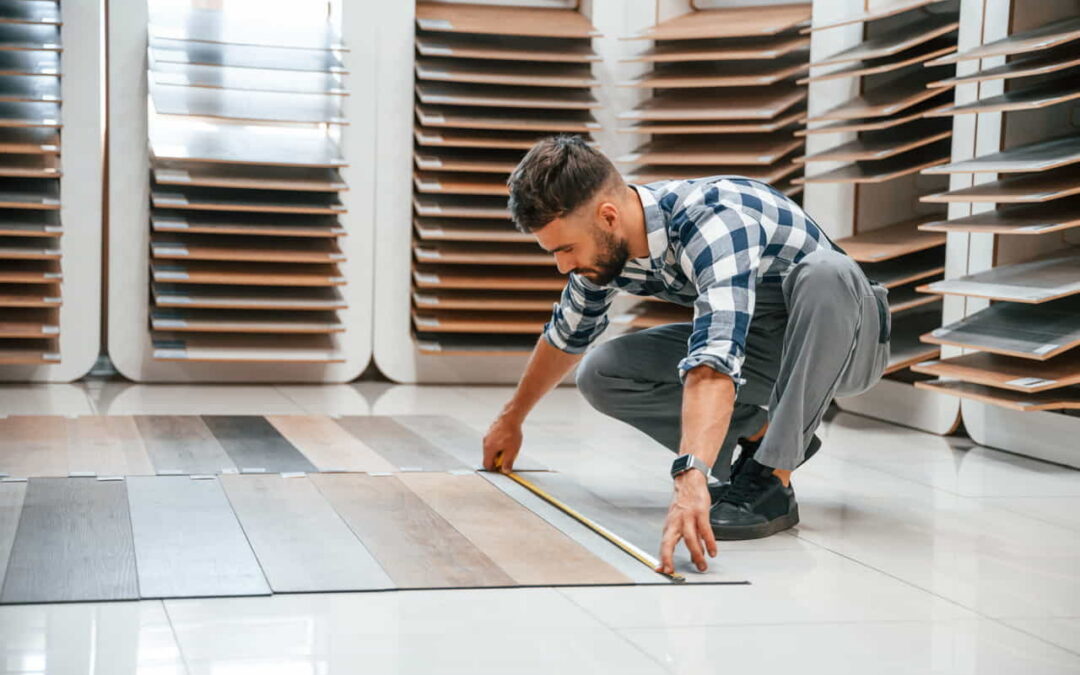
Affordable flooring materials now offer better durability, easier upkeep, and fresh styles for active households. Flooring prices can increase quickly based on material type, installation labor, room size, and future care needs. Many homeowners want flooring that improves a room without creating oversized remodeling costs. Lower-cost flooring products have changed a lot in recent years. Many affordable materials now offer better scratch protection, stronger moisture resistance, and more natural-looking finishes than older flooring products once provided, while the National Association of Home Builders reports continued growth in home remodeling activity.
- EPA reports moisture affects flooring durability over time
- Material selection changes installation pricing
- Maintenance needs influence replacement costs
Affordable flooring material choices
Affordable flooring options continue becoming more common because homeowners want surfaces that refresh living spaces without creating major renovation bills. Kitchens, hallways, mudrooms, bedrooms, and laundry spaces often see the most daily activity, which makes flooring selection more important during remodeling projects. A homeowner replacing aging carpet with Luxury Vinyl Plank may notice easier cleanup right away because spills no longer soak deeply into the flooring material. Lower upkeep can help households save time and reduce future repair concerns, especially since the EPA mold and moisture guide explains that moisture control helps prevent mold growth and material damage.
- Daily foot traffic changes flooring lifespan
- Humidity exposure affects flooring performance
- Surface upkeep impacts long-term flooring value
1. Sheet vinyl flooring costs
Sheet vinyl remains one of the least expensive flooring materials available because installation costs usually stay lower than plank or tile products. Larger rooms often need fewer seams, which can help reduce labor time and lower moisture risks around flooring edges. “Flooring contractors often remind homeowners to compare room moisture, traffic levels, and cleaning habits before choosing flooring because the wrong material can wear out much sooner than expected,” a company representative of KBLR Construction said. Smooth surfaces also make regular cleanup easier inside busy homes, and the EPA indoor air quality remodeling guide notes that water-resistant surfaces can help reduce moisture problems beneath flooring.
- Sheet vinyl helps reduce moisture penetration
- Fewer seams lower water intrusion risks
- Smooth surfaces simplify regular cleaning
2. Laminate flooring prices
Laminate flooring remains popular because it recreates the appearance of hardwood at a lower price point. Modern laminate products often include thicker protective layers and tighter locking systems than older versions that chipped or separated more easily. Many homeowners install laminate in bedrooms, hallways, and living rooms because it handles moderate daily traffic well. Appearance still plays a large role in remodeling choices, and the National Association of REALTORS has reported that flooring can influence resale value and buyer interest.
- Laminate recreates hardwood appearance
- Protective layers improve scratch resistance
- Floating systems shorten installation time
3. Luxury vinyl plank pricing
Luxury Vinyl Plank has become one of the fastest-growing flooring materials because it combines moisture resistance, durability, and realistic wood visuals while remaining less expensive than hardwood flooring. Many homeowners install Luxury Vinyl Plank throughout several rooms because the material handles pets, spills, humidity, and steady foot traffic without difficult maintenance routines. Water resistance makes a clear difference in kitchens, bathrooms, and laundry rooms where moisture exposure happens often. Lower upkeep can also reduce future repair expenses, and flooring professionals often recommend Luxury Vinyl Plank for high-use areas because it performs well under daily wear.
- Luxury Vinyl Plank handles moisture effectively
- Realistic textures improve room appearance
- Lower maintenance reduces future expenses
4. Peel and stick flooring
Peel and stick flooring remains one of the easiest flooring choices for homeowners updating smaller spaces without paying for full professional installation. Many products install directly over existing flooring surfaces, which helps lower labor expenses and shorten renovation timelines. Rental properties and utility rooms often benefit most from this flooring style because damaged sections can usually be replaced individually. Quick installation also helps reduce disruption inside the home when the goal is a simple surface refresh.
- Installation requires fewer specialty tools
- Replacement costs remain manageable
- DIY installation lowers labor expenses
5. Painted concrete floor options
Painted concrete flooring works well in garages, workshops, basements, and utility spaces where durability matters more than decorative finishes. Concrete paints and sealers help protect surfaces from stains while giving homeowners more flexibility with colors, finishes, and cleanup routines. Protective sealing can also improve surface lifespan during heavier daily use. The U.S. Department of Energy explains that concrete can help store and release heat, which may support temperature stability in certain spaces.
- Concrete handles heavier traffic effectively
- Painted finishes improve surface appearance
- Sealers help reduce stain absorption
6. Carpet tile flooring costs
Carpet tiles give homeowners a lower-cost flooring solution that simplifies repairs because damaged sections can be replaced individually instead of replacing the entire room. Active households often appreciate that flexibility because spills, stains, and pet accidents usually happen in isolated spots. Modular carpet sections can also reduce discarded material during future room updates or furniture layout changes. Repairs stay easier to manage over time compared to traditional wall-to-wall carpeting, while the EPA indoor air quality guidance notes that damp carpet should be addressed quickly to avoid moisture concerns.
- Individual tiles simplify flooring repairs
- Modular sections reduce discarded material
- Soft surfaces improve underfoot comfort
7. Engineered wood flooring prices
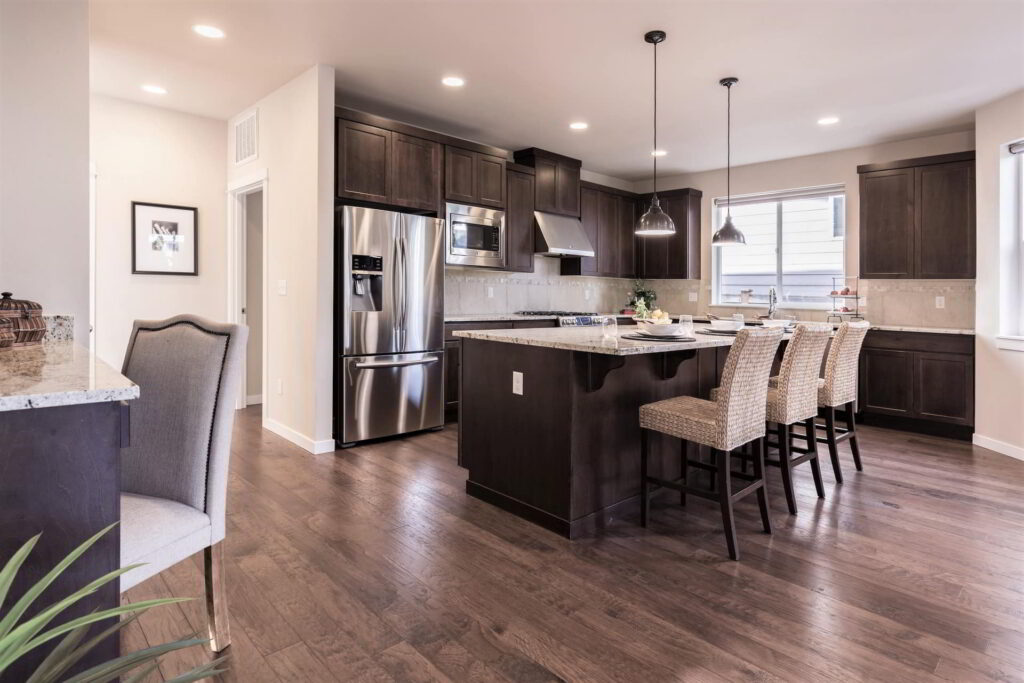
Engineered wood flooring gives homeowners the appearance of hardwood while lowering material costs compared to solid wood planks. Layered construction also improves dimensional stability during changing humidity conditions, which helps reduce shifting in certain indoor spaces. Many homeowners choose engineered wood in dining rooms, bedrooms, and living areas where natural finishes remain popular. Standing water can still create problems in moisture-heavy spaces, so placement matters, and the National Wood Flooring Association notes that wood flooring remains valued for appearance and long-term appeal.
- Engineered wood lowers hardwood expenses
- Layered construction improves stability
- Natural finishes maintain visual warmth
8. Cork flooring affordability
Cork flooring attracts homeowners searching for softer walking surfaces because the material naturally provides cushioning underfoot. Energy-conscious households also appreciate cork because it helps reduce sound transfer inside bedrooms, offices, and quiet living spaces. Renewable cork harvesting appeals to homeowners focused on environmentally aware remodeling choices without giving up comfort. Comfort can change daily movement for families who spend long periods standing or walking indoors.
- Cork absorbs sound effectively
- Softer surfaces improve walking comfort
- Renewable harvesting supports sustainability
9. Bamboo flooring value
Bamboo flooring gives homeowners another affordable alternative to hardwood while still creating a clean wood appearance that works well with many interior styles. Strand-woven bamboo products handle wear better than earlier bamboo flooring generations that struggled with dents, scratches, and moisture exposure. Homeowners comparing bamboo flooring should review hardness ratings carefully because manufacturing quality varies between products and brands. Material quality strongly affects long-term flooring durability and surface lifespan inside active households.
- Bamboo costs less than hardwood
- Strand-woven products improve durability
- Natural grain patterns enhance appearance
10. Linoleum flooring costs
Linoleum continues offering value for homeowners searching for resilient flooring materials with lower maintenance demands and longer service life. Kitchens, mudrooms, laundry spaces, and utility rooms often benefit most because linoleum handles regular foot traffic while remaining easier to clean than textured flooring surfaces. Renewable materials also attract environmentally aware homeowners searching for practical remodeling choices with a lower environmental impact. Long service life still matters when future replacement costs become part of the budget.
- Linoleum handles steady foot traffic
- Renewable materials support sustainability
- Simple cleaning reduces upkeep time
Affordable flooring value comparison
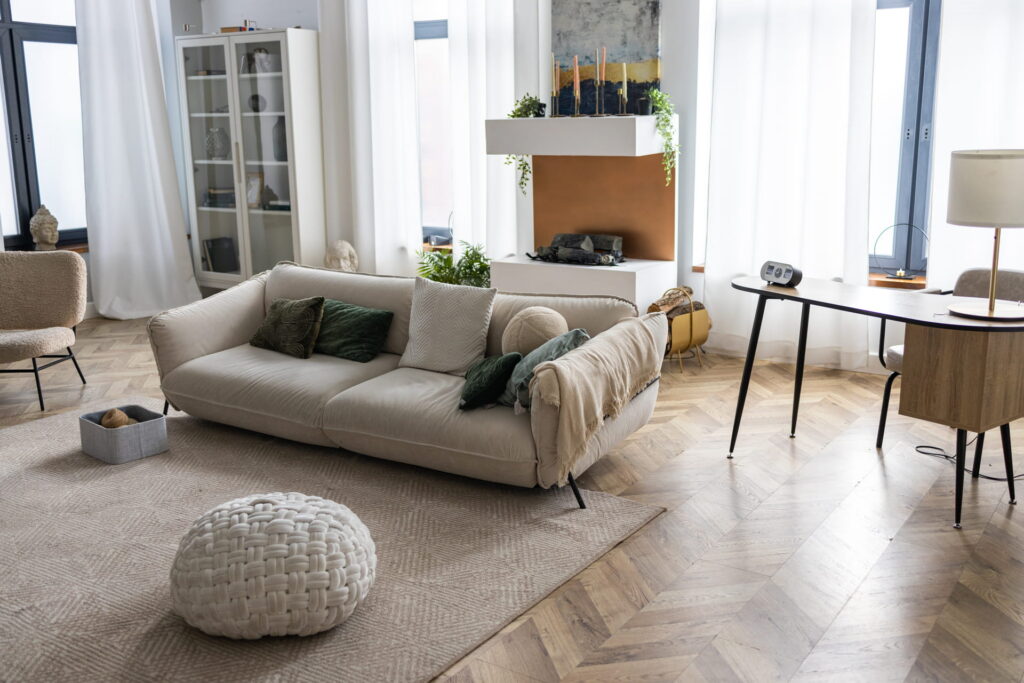
Affordable flooring materials vary widely because some focus more on moisture protection while others prioritize comfort, appearance, or installation savings. Luxury Vinyl Plank performs well in moisture-prone rooms, laminate works better in lower-moisture living spaces, and carpet tiles simplify maintenance inside rooms where stains happen often. Long-term flooring value depends on more than upfront pricing because future repairs and replacement costs also affect total spending. Many flooring contractor professionals explain that replacement expenses rise quickly when homeowners install materials poorly suited for heavy traffic, standing moisture, or changing humidity levels inside the home, and the EPA moisture control guidance explains that managing moisture is one of the main ways to protect indoor materials from mold and damage.
Affordable Flooring Key Takeaways
- Sheet vinyl remains one of the least expensive flooring materials
- Luxury Vinyl Plank balances durability with lower upkeep
- Laminate flooring creates hardwood appearance at reduced cost
- Peel and stick flooring lowers installation expenses
- Moisture resistance affects long-term flooring value
Frequently Asked Questions
What is the cheapest flooring material available?
Sheet vinyl and peel and stick flooring usually remain among the least expensive flooring materials because installation and material costs both stay relatively low compared to many traditional flooring products.
Which affordable flooring lasts the longest?
Luxury Vinyl Plank and linoleum often provide longer lifespans than many lower-cost materials because both resist wear and moisture effectively during regular household use.
Is Luxury Vinyl Plank considered affordable?
Luxury Vinyl Plank generally costs less than hardwood while providing moisture resistance, durability, and lower maintenance demands for active households.
What flooring works best in moisture prone rooms?
Sheet vinyl, Luxury Vinyl Plank, and certain tile products usually perform best in bathrooms, kitchens, mudrooms, and laundry spaces because they resist water exposure more effectively than many traditional flooring materials.
Can affordable flooring still look high end?
Modern flooring products now include realistic textures, detailed grain patterns, and improved finishes that closely resemble more expensive flooring materials while remaining easier to maintain and replace.

Angela Knight is a seasoned journalist with a deep-rooted passion for covering the vibrant local business scene in Slidell, LA. Her expertise lies in spotlighting the unique stories of local entrepreneurs and keeping her finger on the pulse of the latest business news and trends within the community. With a keen eye for detail and a commitment to impactful storytelling, Angela’s articles serve as a vital resource for residents and business owners alike, offering insights, updates, and inspiration. Her work not only informs but also celebrates the entrepreneurial spirit and community engagement that define Slidell’s business landscape.