
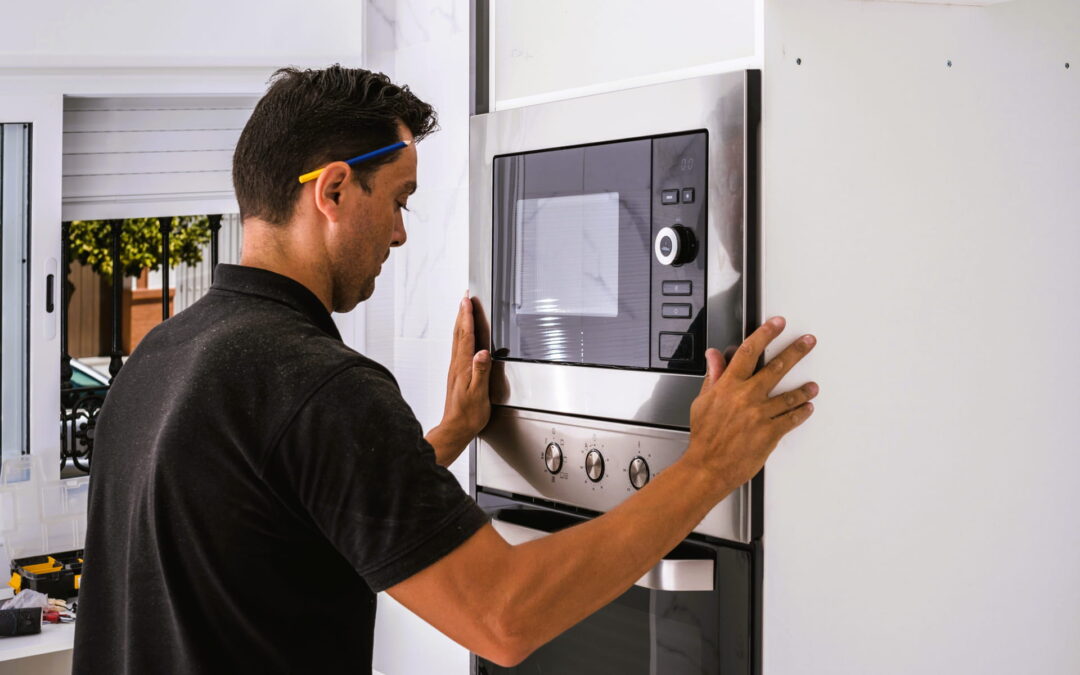
Household appliances rarely shut down instantly, yet ongoing problems tend to develop quietly until daily routines become noticeably disrupted and less efficient. Recurring breakdowns from wear and poor maintenance are why an appliance repair service often sees the same issues across homes. This discussion highlights the most common appliance repairs and explains what those problems reveal about long-term performance, safety risks, and energy consumption within the home. Renew Appliance Repair explains, “Changes like longer run times or inconsistent performance usually indicate internal stress, and early service can help prevent more serious failures that progress faster under regular use.”
- Appliance wear typically increases after 5–10 years based on U.S. Department of Energy data
- Consistent upkeep can extend appliance lifespan by several years
- Small performance irregularities often signal deeper internal issues
Common Appliance Repair Issues
A homeowner might notice a refrigerator cooling unevenly or a dryer taking longer to complete a cycle, and those early signs can seem minor at first. Hands-on service experience shows these subtle changes often point to internal strain that builds steadily over time, sometimes gradually and sometimes suddenly. Appliance repair professionals frequently identify repeating patterns across households, which explains why certain problems appear so often. Patterns highlight ongoing system stress.
- Early warning signs often appear weeks before failure
- Continuous strain accelerates internal wear
- Delayed repairs often increase overall costs
1. Refrigerator Not Cooling Properly
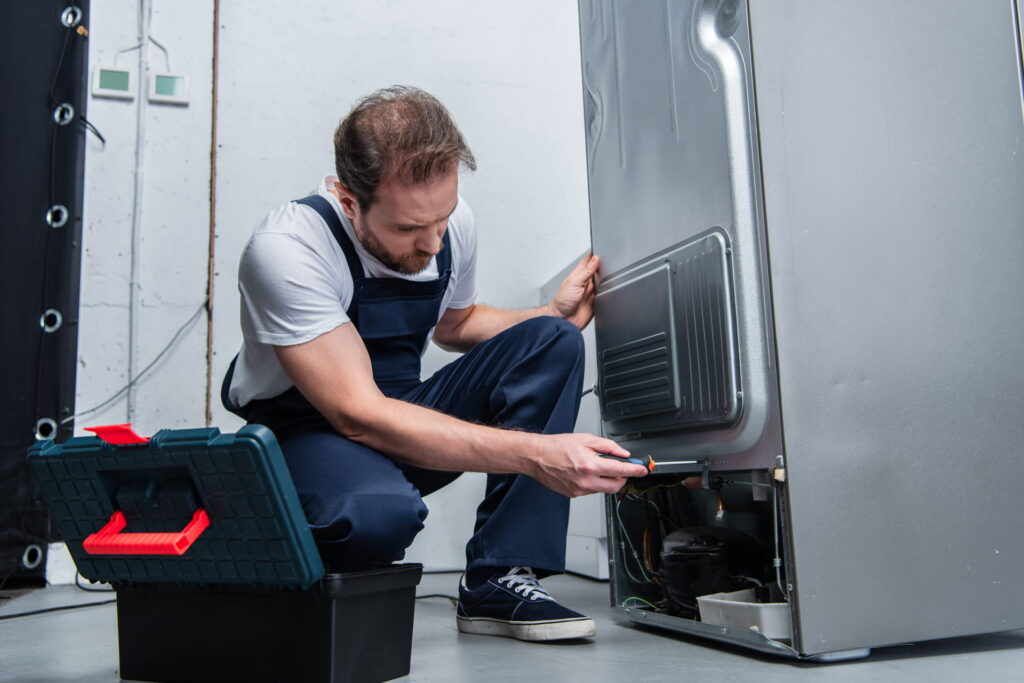
Refrigerators that fail to maintain steady temperatures often deal with weakened compressors, debris-covered condenser coils, or aging door seals that allow cold air to escape throughout the day. Energy.gov reports that inefficient refrigerators can consume noticeably more electricity when internal components begin to degrade, increasing monthly costs while reducing food safety. Temperature instability also raises the risk of food spoilage, which can lead to waste and potential health concerns if not addressed early. Consistent cooling supports safe food storage.
- Dirty coils reduce cooling efficiency
- Faulty thermostats misread internal temperatures
- Worn seals allow cold air to escape
2. Washing Machine Not Draining
Washing machines that retain water at the end of a cycle often experience blocked pumps, restricted hoses, or worn drainage components that interrupt proper water flow. The U.S. Environmental Protection Agency notes that inefficient drainage contributes to increased water waste over time, especially in homes with frequent laundry use. Standing water inside the drum can also create conditions for mold growth, which can impact clothing cleanliness and indoor air quality. Water retention signals a developing mechanical concern.
- Clogged pumps prevent water removal
- Restricted hoses limit drainage flow
- Faulty switches interrupt wash cycles
3. Dryer Not Heating Up
Dryers that spin but fail to generate adequate heat often suffer from damaged heating elements, blown thermal fuses, or restricted airflow caused by heavy lint accumulation. The U.S. Fire Administration reports that thousands of residential fires each year are linked to dryer issues, especially when vents become blocked and trap excessive heat. Reduced heat output lowers drying efficiency, while airflow restrictions introduce serious safety risks that require immediate attention. Stable heat output supports safe operation.
- Broken heating elements stop heat production
- Blocked vents reduce airflow and increase fire risk
- Faulty thermostats disrupt temperature control
4. Dishwasher Not Cleaning Dishes
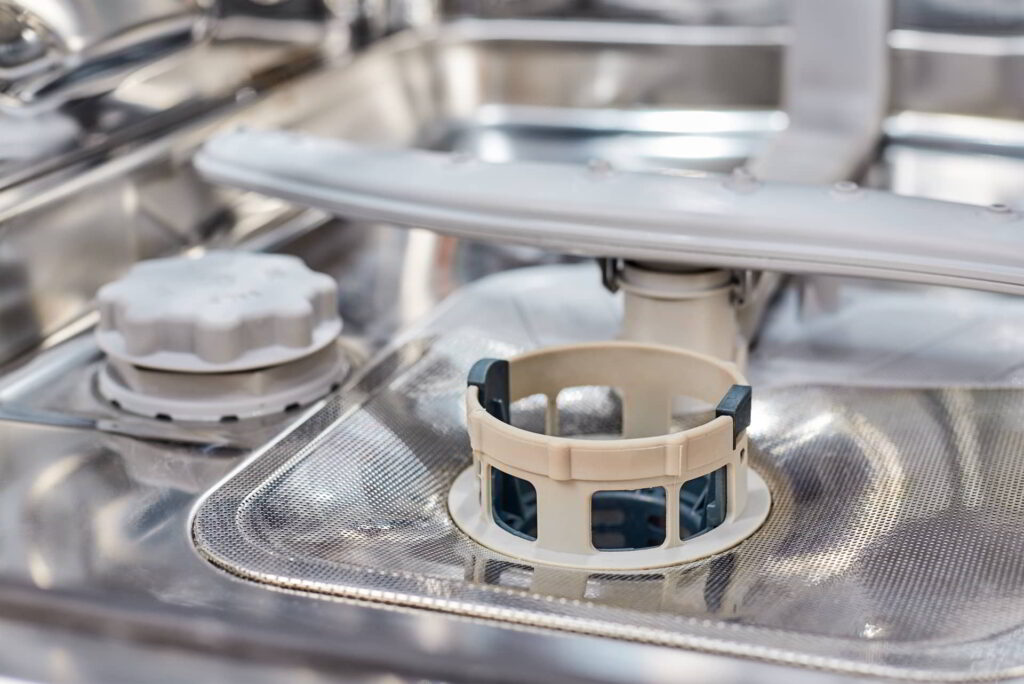
Dishwashers that leave residue behind often struggle with clogged spray arms, worn circulation pumps, or mineral buildup caused by hard water over repeated use. The Department of Energy explains that effective dishwashing depends on consistent water pressure and even distribution, and even small obstructions can reduce cleaning performance. Poor cleaning results often lead to repeated wash cycles, increasing water and energy usage unnecessarily over time. Strong water circulation supports better cleaning outcomes.
- Blocked spray arms limit water distribution
- Dirty filters reduce cleaning effectiveness
- Hard water leaves visible residue
5. Oven Not Heating Evenly
Ovens that cook unevenly often deal with failing heating elements or inaccurate sensors that misread internal temperatures during cooking cycles. Uneven cooking can affect food safety, especially when certain areas fail to reach USDA-recommended temperatures. Inconsistent heat also creates challenges in everyday cooking, particularly when meals require close monitoring or longer cooking times. Even heating ensures dependable results.
- Damaged elements create uneven heat zones
- Faulty sensors misread temperature levels
- Calibration issues affect cooking consistency
6. Garbage Disposal Jammed
Garbage disposals jam when fibrous food waste, grease buildup, or foreign objects interfere with the grinding mechanism and restrict movement. The Environmental Protection Agency highlights proper food waste practices to reduce strain on disposal systems and connected plumbing. Jammed disposals can also produce strong odors and slow drainage, which may lead to additional plumbing concerns if left unresolved. Smooth operation supports proper function.
- Food debris blocks internal components
- Grease buildup restricts movement
- Foreign objects damage grinding blades
7. Microwave Not Heating Food
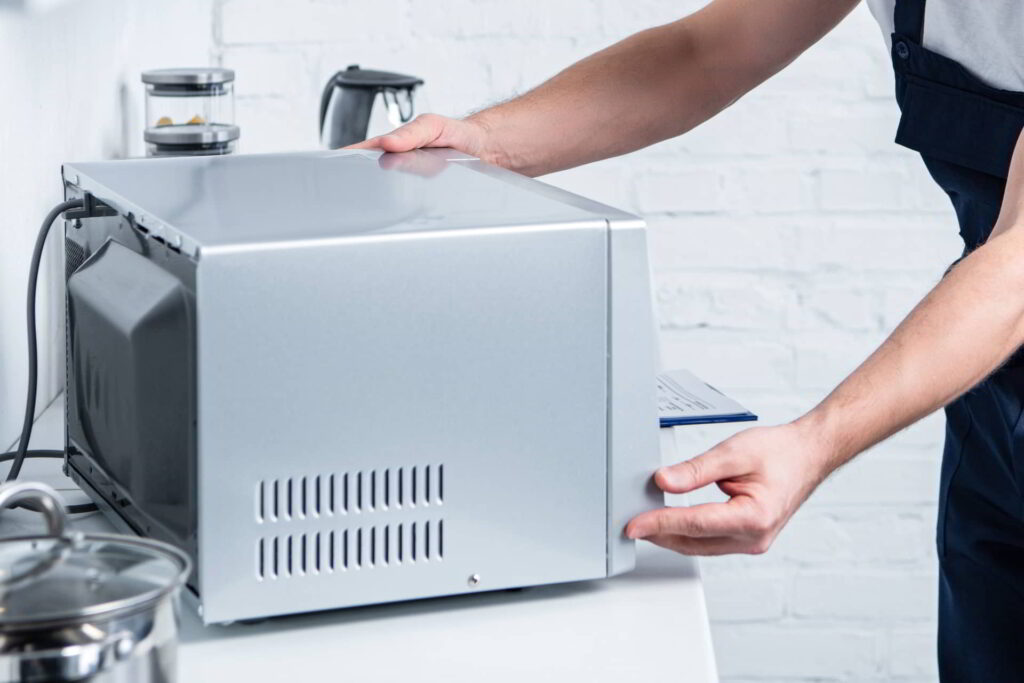
Microwaves that run but fail to heat food often experience magnetron failure, which prevents proper heat generation inside the unit. The FDA emphasizes the importance of proper microwave performance to ensure food is heated evenly and safely, reducing potential health risks. A microwave may appear fully operational while still failing to heat properly, which can delay necessary repairs and lead to inconsistent results. Hidden issues often progress before becoming obvious.
- Failed magnetrons stop heating
- Electrical faults interrupt power flow
- Door switches affect operation
8. Ice Maker Not Working
Ice makers often stop producing ice due to blocked water lines, faulty inlet valves, or temperature inconsistencies within the freezer compartment. Energy.gov states that proper freezer temperatures, typically at or below 0°F, are essential for steady ice production. Even slight temperature changes can slow or completely stop ice formation, which can confuse homeowners expecting normal operation. Stable cold conditions support reliable ice production.
- Blocked lines prevent water flow
- Faulty valves restrict supply
- Incorrect temperatures stop production
9. Freezer Not Freezing Properly
Freezers that fail to maintain low temperatures often deal with defrost system issues, airflow blockages, or weakening compressors that reduce cooling strength. The USDA recommends keeping freezers at 0°F to preserve food safely, and even small temperature shifts can lead to spoilage risks. Frost buildup inside the unit may also signal airflow problems that limit cooling efficiency across compartments. Consistent cold storage protects food quality.
- Defrost failures cause frost buildup
- Blocked vents restrict airflow
- Compressor issues reduce cooling performance
10. Stove Burner Not Working
Stove burners that fail to heat properly may experience wiring problems, damaged coils, or ignition issues in gas systems that interrupt consistent operation. The U.S. Department of Energy explains that cooking appliances depend on steady energy delivery, and interruptions can reduce efficiency while increasing cooking time. Burners that heat unevenly or fail entirely often indicate deeper electrical or mechanical wear within the appliance system. Reliable heat supports everyday cooking.
- Broken coils prevent heating
- Ignition failures affect gas burners
- Wiring issues interrupt power supply

Understanding Appliance Wear Patterns
Appliance repairs rarely occur randomly, and clear patterns across these issues reveal how systems respond to frequent use, maintenance habits, and environmental conditions inside the home. Homeowners who recognize early warning signs often reduce long-term costs, while delayed action can lead to more complex failures requiring extensive repairs or replacement. Renew Appliance Repair notes that consistent monitoring helps identify inefficiencies before they become larger disruptions that impact daily life. Awareness supports better maintenance decisions.
- Early detection lowers repair costs
- Routine maintenance improves performance
- Delayed repairs increase long-term damage
Most Common Appliance Repairs Key Takeaways
- Refrigerators, washers, and dryers account for a large portion of repairs
- Energy.gov data shows inefficient appliances increase energy usage
- Dryer issues present safety risks when airflow is restricted
- Water-related problems can lead to mold or structural concerns
- Regular maintenance extends appliance lifespan
Frequently Asked Questions
What leads to most appliance failures in homes?
Wear over time combined with inconsistent maintenance causes most appliance failures, especially when early warning signs are ignored.
How long do common household appliances usually last?
Most appliances last between 8 and 15 years depending on usage and maintenance patterns.
When is it worth repairing an appliance?
Repairs are often worthwhile when the appliance is under 10 years old and the issue is not severe.
Why do appliances fail after showing small issues?
Minor problems often place added strain on other components, leading to faster overall failure.
How can homeowners reduce appliance repairs?
Routine cleaning, proper usage, and early attention to performance changes help prevent major breakdowns.

Angela Knight is a seasoned journalist with a deep-rooted passion for covering the vibrant local business scene in Slidell, LA. Her expertise lies in spotlighting the unique stories of local entrepreneurs and keeping her finger on the pulse of the latest business news and trends within the community. With a keen eye for detail and a commitment to impactful storytelling, Angela’s articles serve as a vital resource for residents and business owners alike, offering insights, updates, and inspiration. Her work not only informs but also celebrates the entrepreneurial spirit and community engagement that define Slidell’s business landscape.